
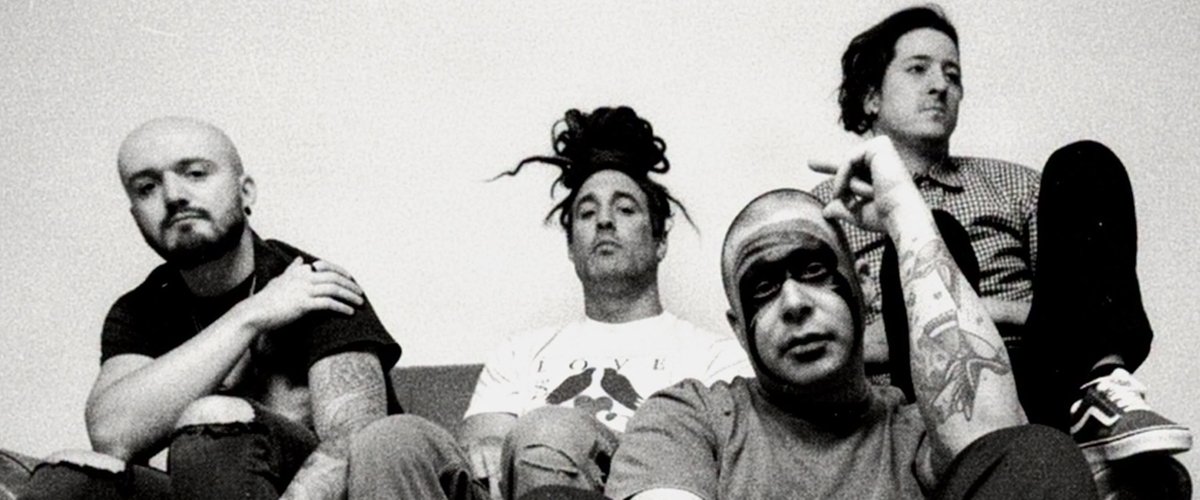

Islander have questioned the practice of bands releasing cover songs shortly after the death of the artist being covered, arguing that there’s a difference between paying tribute to an influence and attempting to capitalize on a tragic moment.
The alternative metal band raised the issue over the weekend through a social media post, despite having released their own cover of Deftones’ “Back To School (Mini Maggit)” earlier this year.
The comments come amid renewed discussion surrounding Bad Wolves and their decision to release their previously recorded cover of Dolly Parton’s “Jolene.” The song had reportedly been recorded weeks before Parton’s death and was originally expected to feature a contribution from Parton herself. However, her health prevented her from completing the planned appearance.

Following her death, Bad Wolves released the cover in late August, with proceeds earmarked for Dolly Parton’s Imagination Library.
The situation drew additional attention because of the band’s history with another high-profile cover. Bad Wolves’ version of The Cranberries’ “Zombie” became a major success following the death of Cranberries vocalist Dolores O’Riordan in 2018.
O’Riordan had been expected to contribute vocals to the cover but passed away before recording her part. Bad Wolves subsequently released their version of the song and donated approximately $250,000 in profits to O’Riordan’s family.
Against that backdrop, Islander offered their thoughts on the broader practice of releasing covers in the immediate aftermath of an artist’s death.
“We love a good cover. We just never want somebody’s death to become our marketing plan. There’s a difference between honoring an influence and racing to capitalize on a moment. And hey, maybe every one of them is sincere.”
The band acknowledged that determining someone’s intentions from the outside isn’t always possible, but argued that the timing of a release can still raise questions.
“But when the covers start appearing before people have even had time to grieve, it’s hard not to wonder. Can you feel the difference?”
Islander expanded on the subject through a series of images accompanying the post.
“We think cover songs can be cool sometimes… But releasing one immediately after an artist dies? Sometimes it feels less like a tribute, and more like trying to beat everyone else to the trend… Are we wrong?”
The band’s comments don’t appear to condemn cover songs themselves. Instead, Islander are questioning whether releasing one immediately following an artist’s death can unintentionally—or intentionally—turn someone’s passing into a promotional opportunity.
It’s a complicated line to draw, particularly when a song was recorded before an artist’s death or when proceeds are being directed toward charitable causes or the deceased’s family. Ultimately, Islander’s question centers on whether the timing and presentation of a tribute feel genuine to the people receiving it.
If you’re rocking with The Mosh Network, hit the link and add us as a Preferred Source on Google. That’s the easiest way to keep our latest metal, hardcore, and alternative news, tours, and releases showing up directly in your feed.